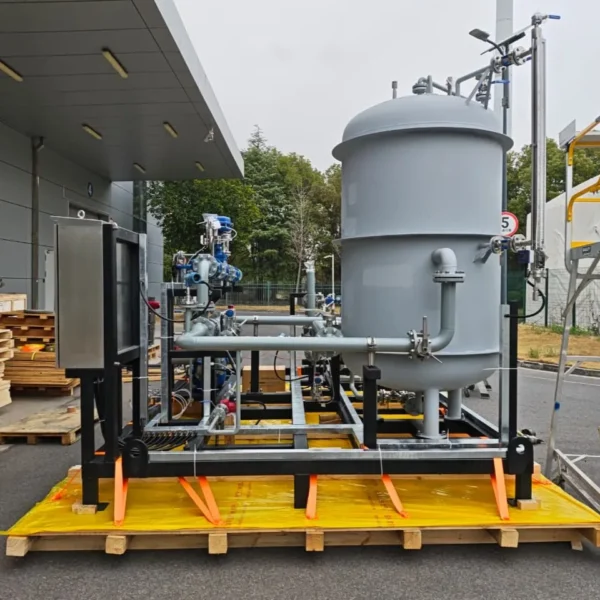
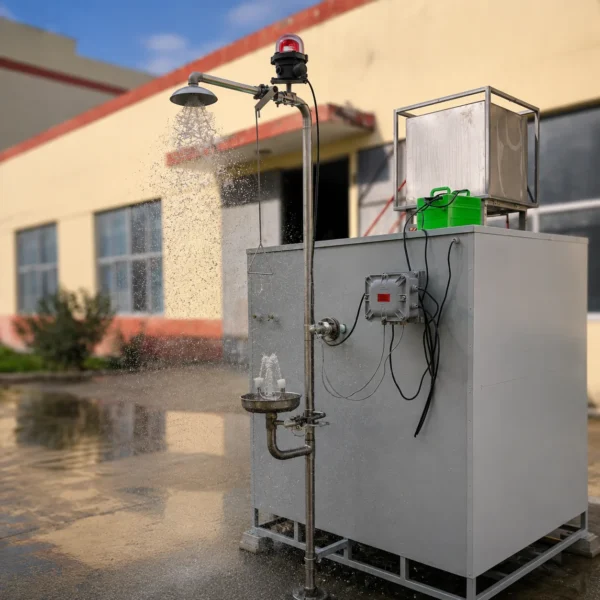
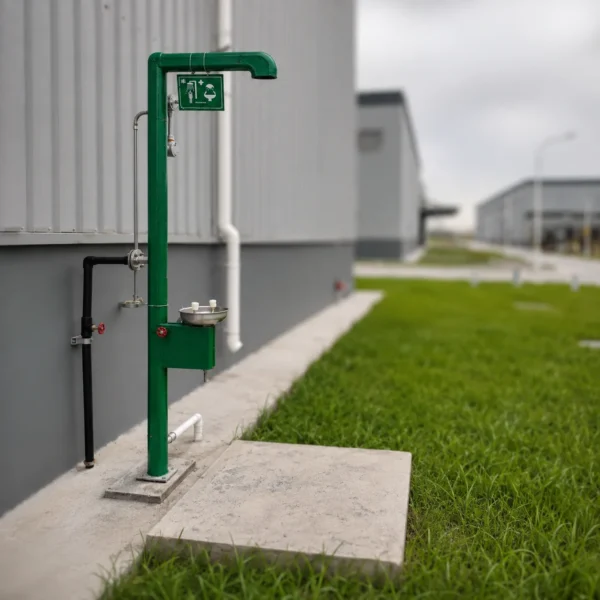
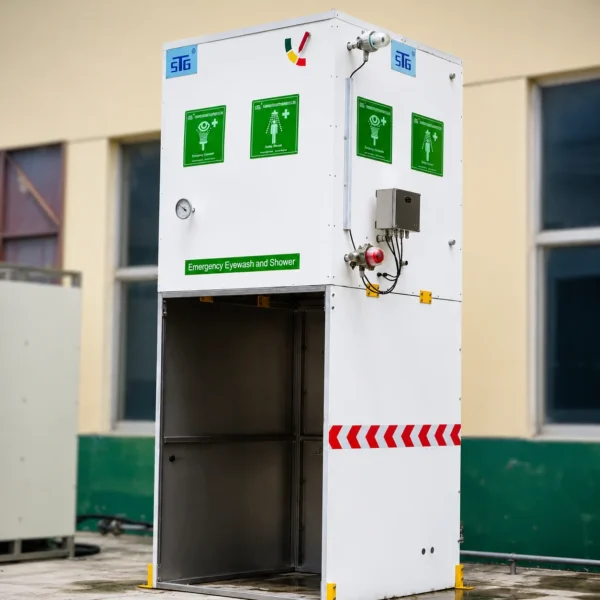
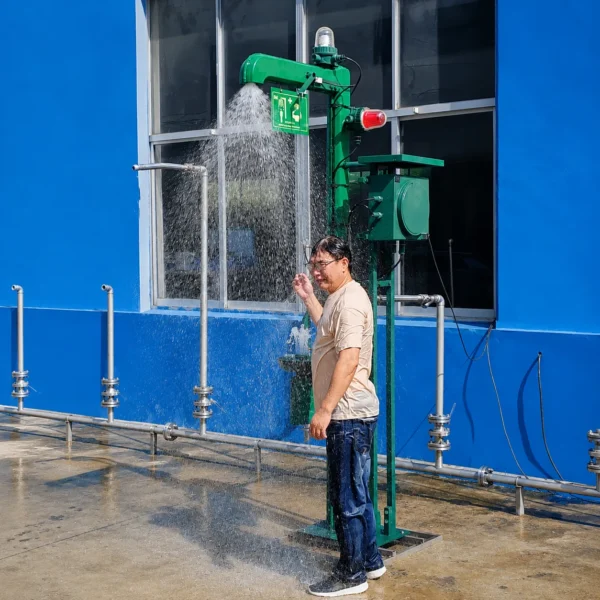
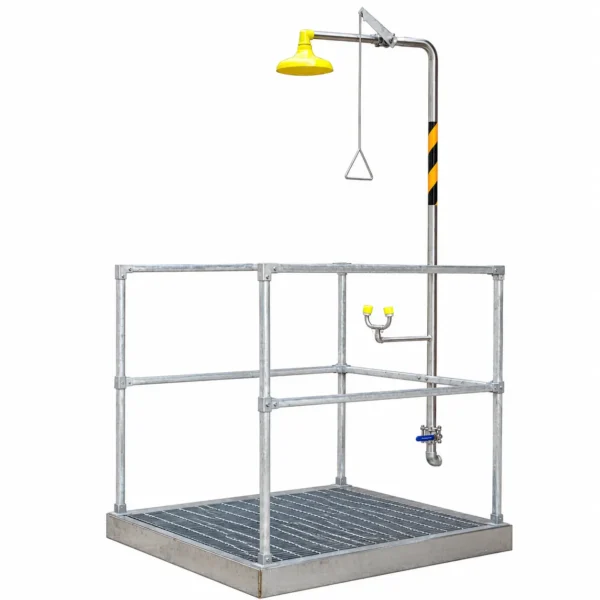
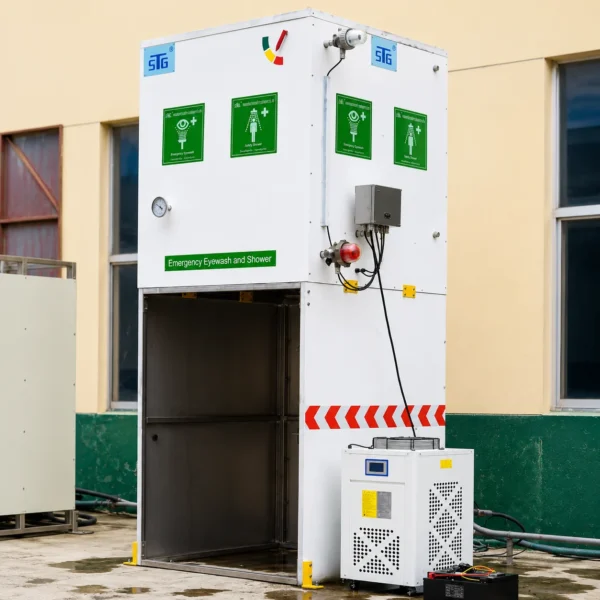

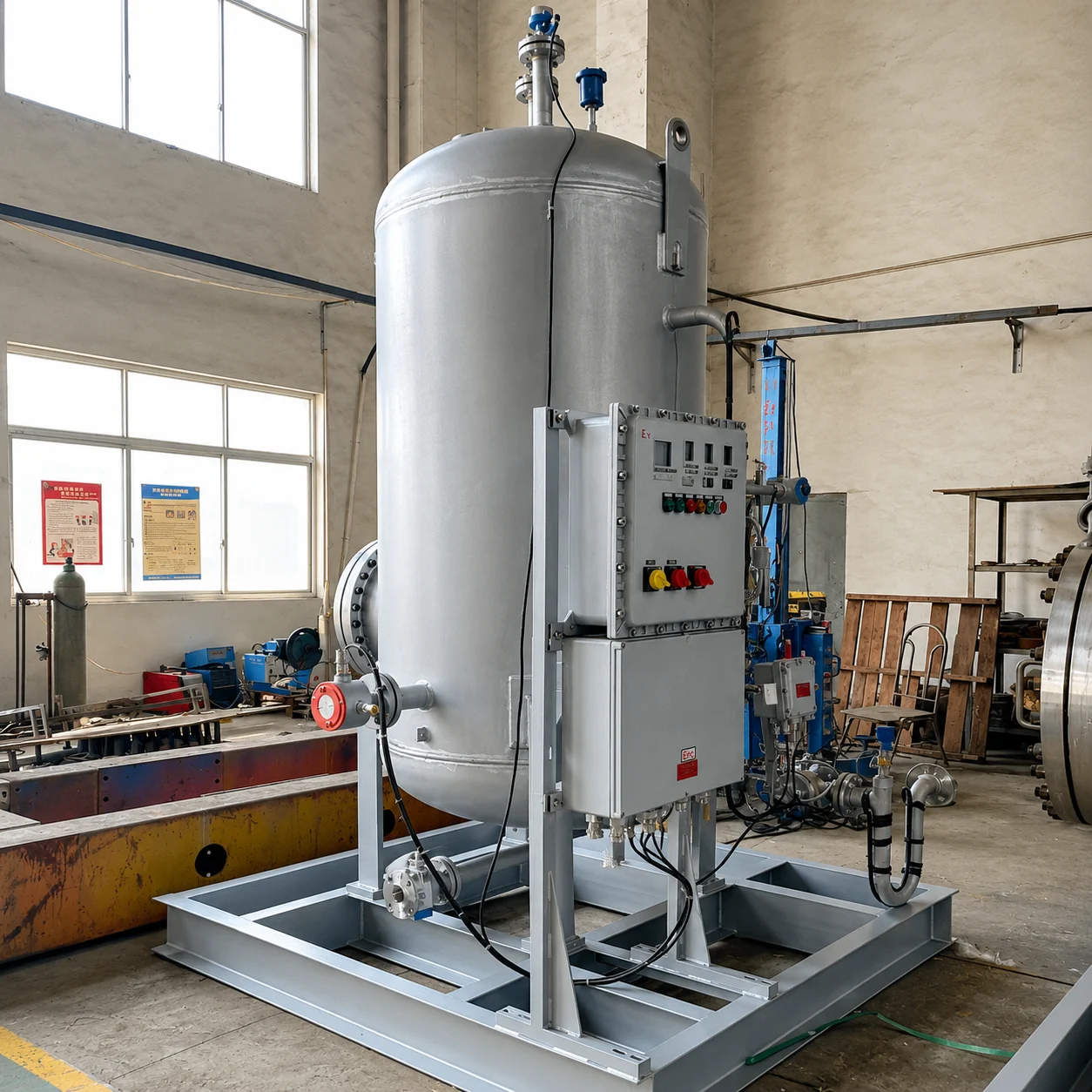
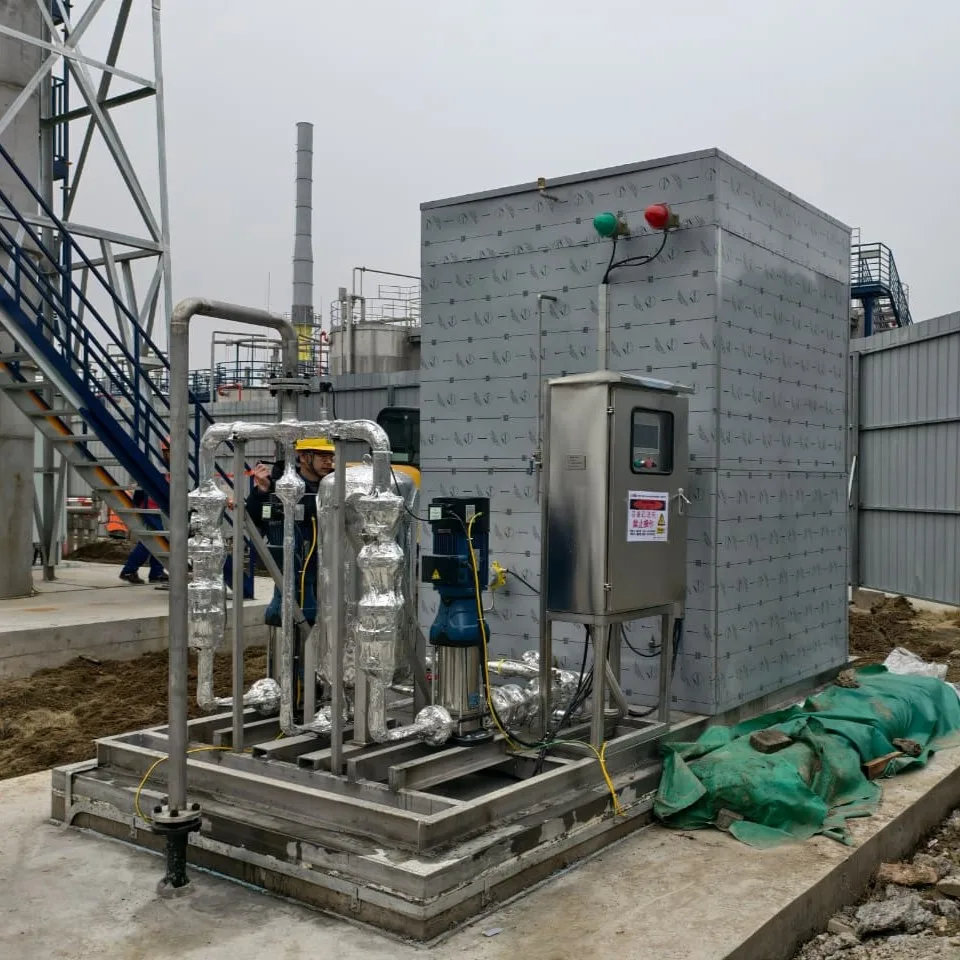
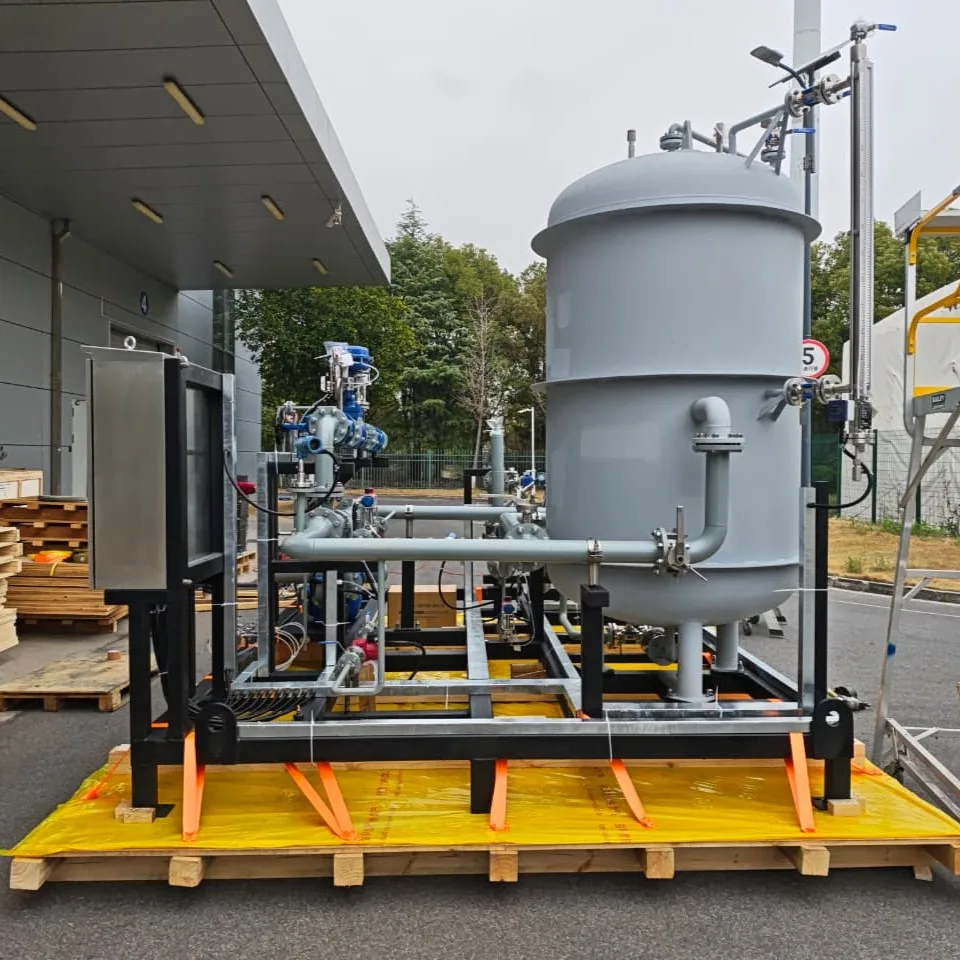
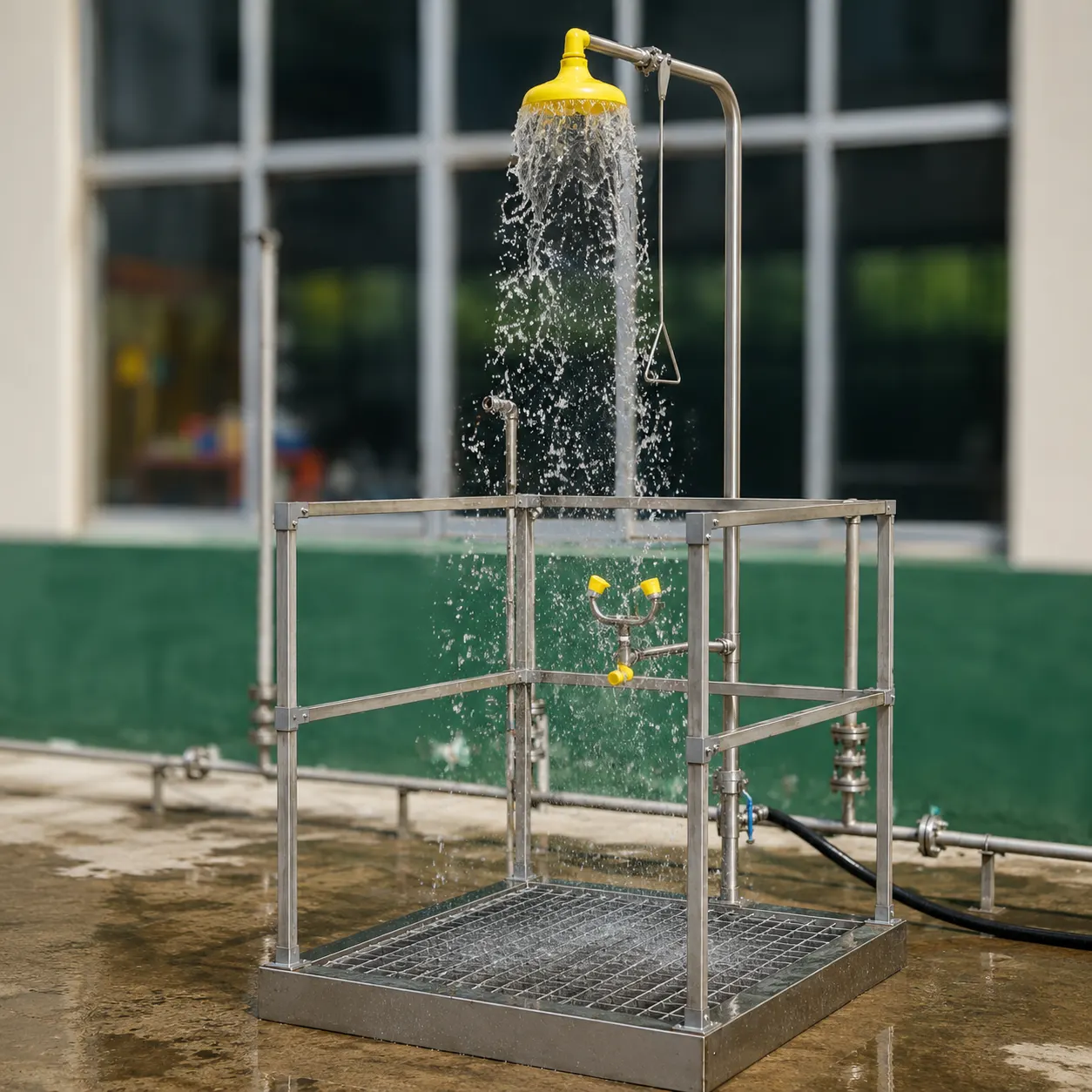
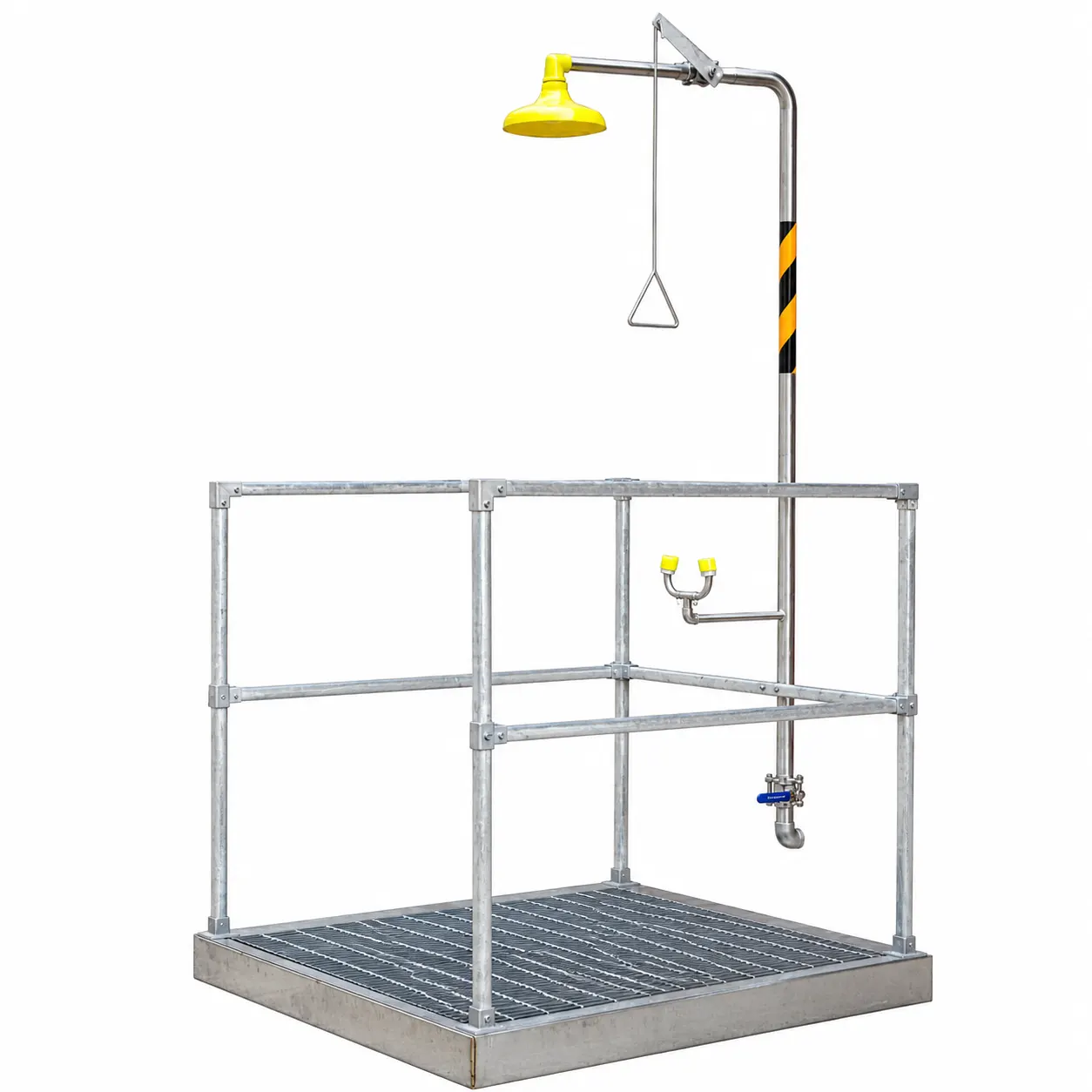
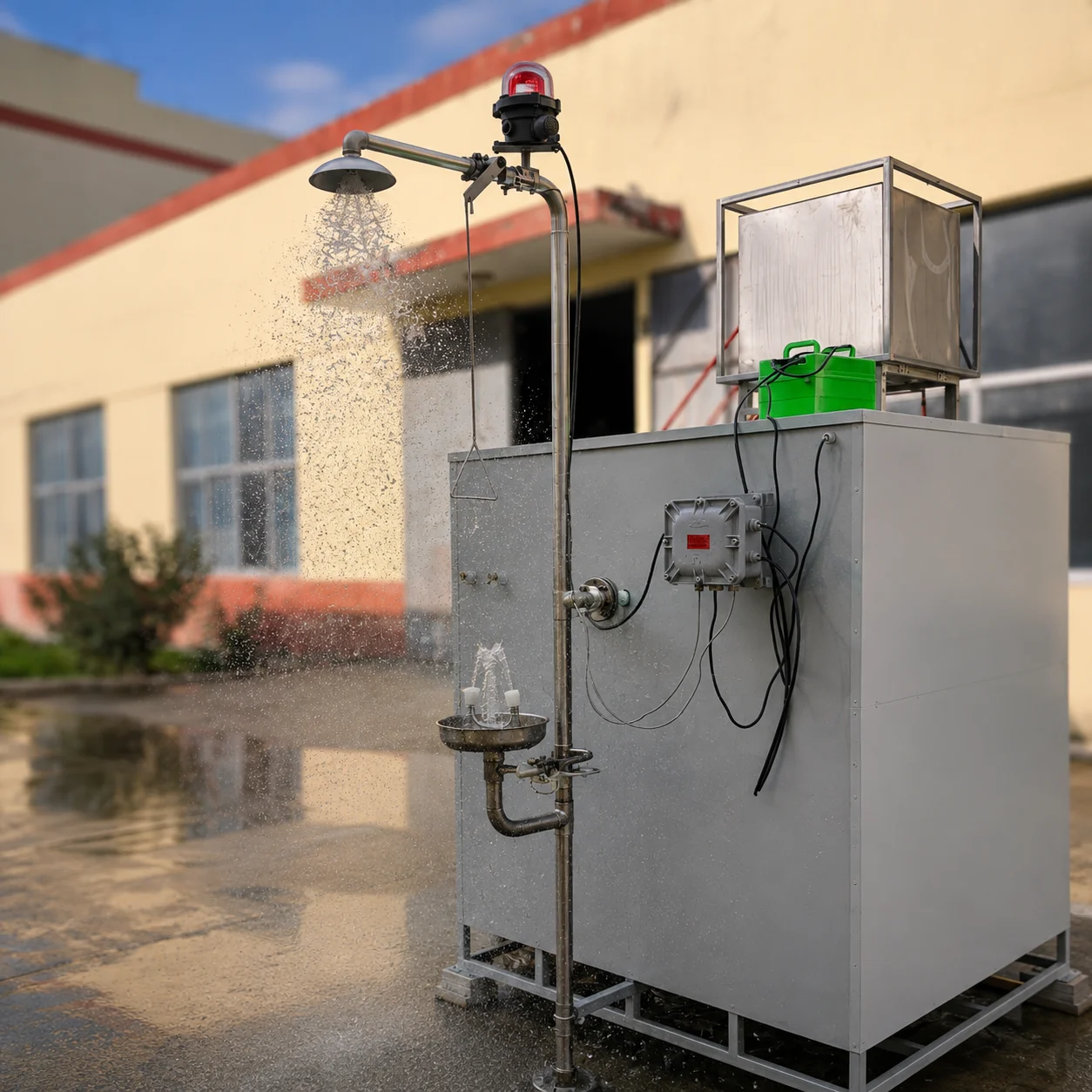
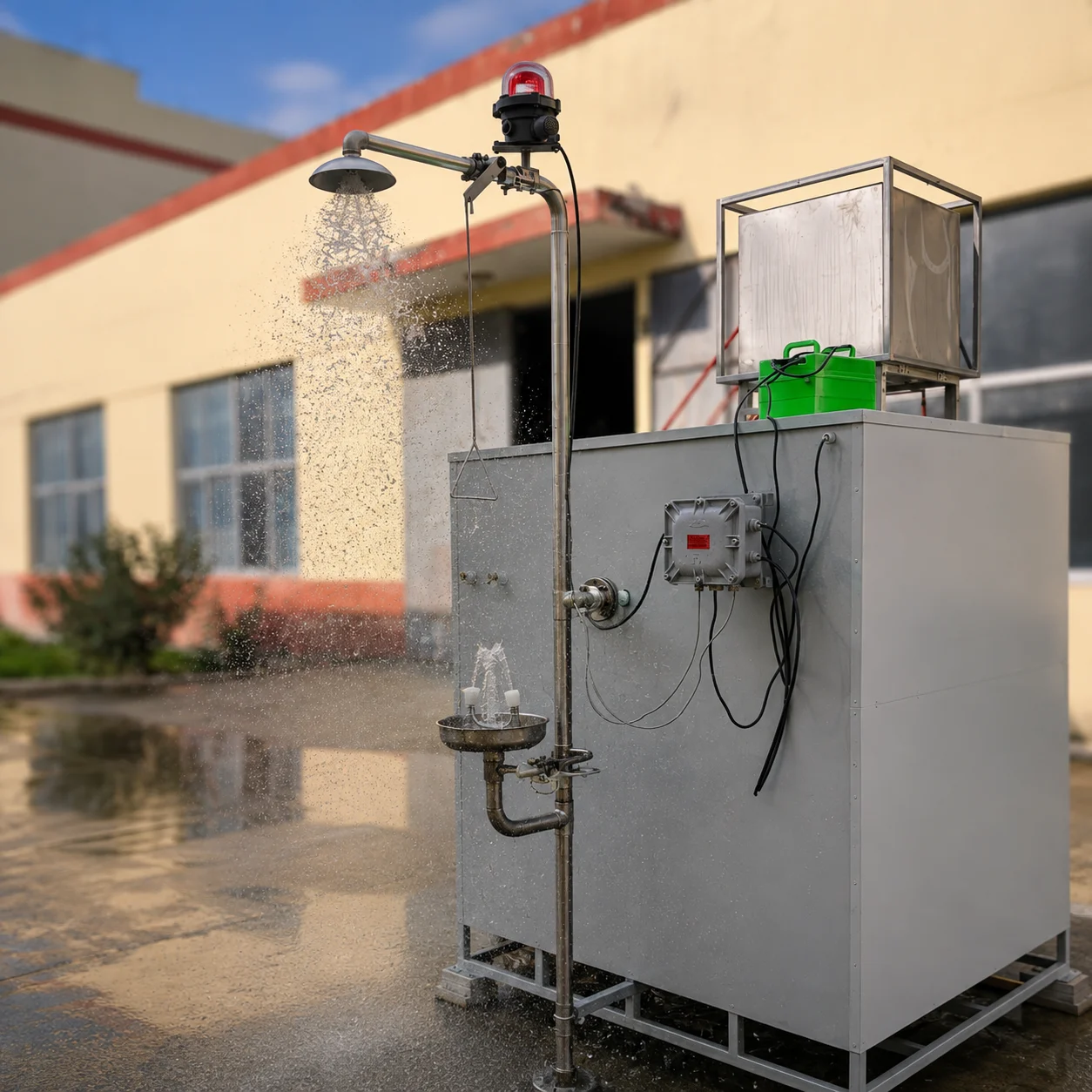
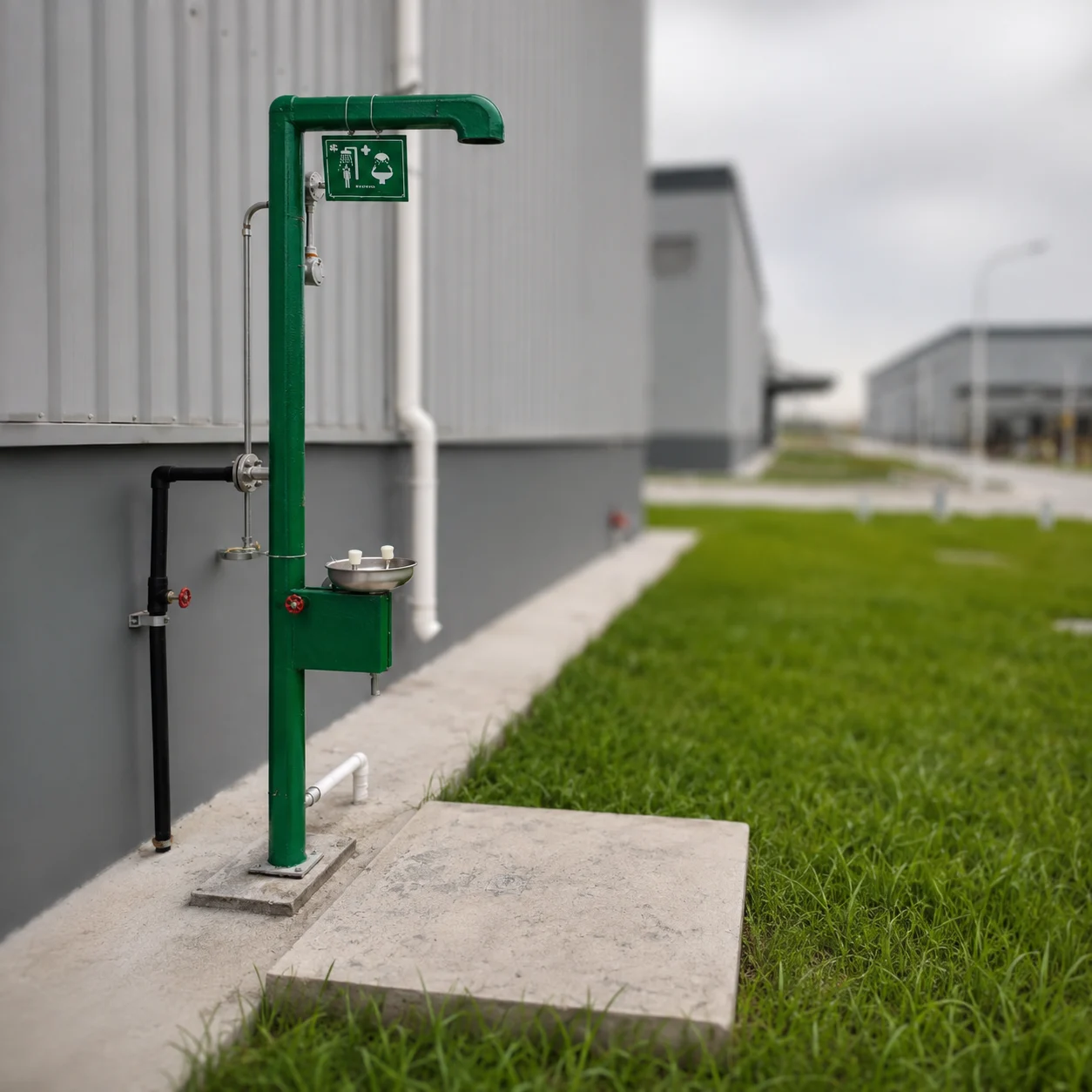
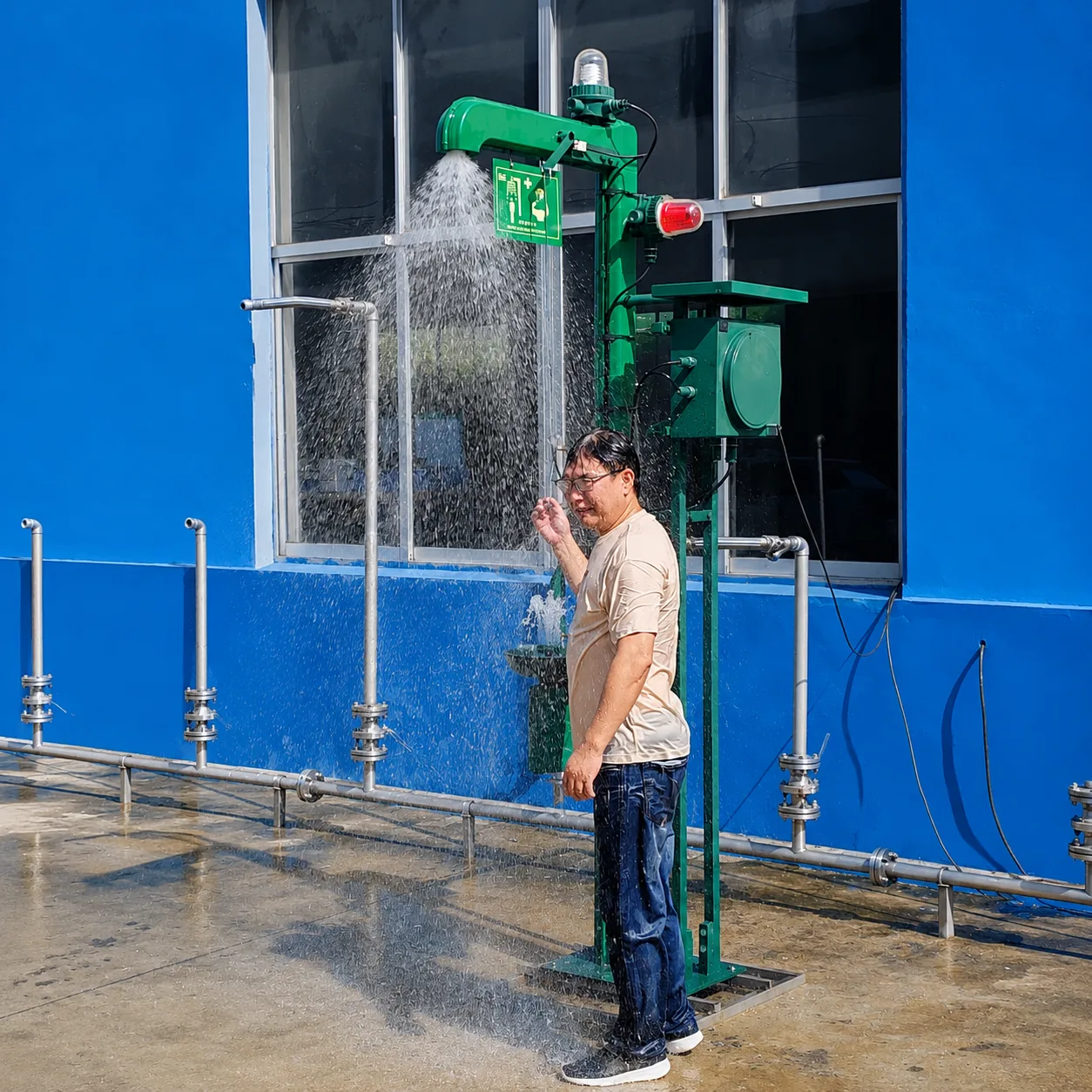
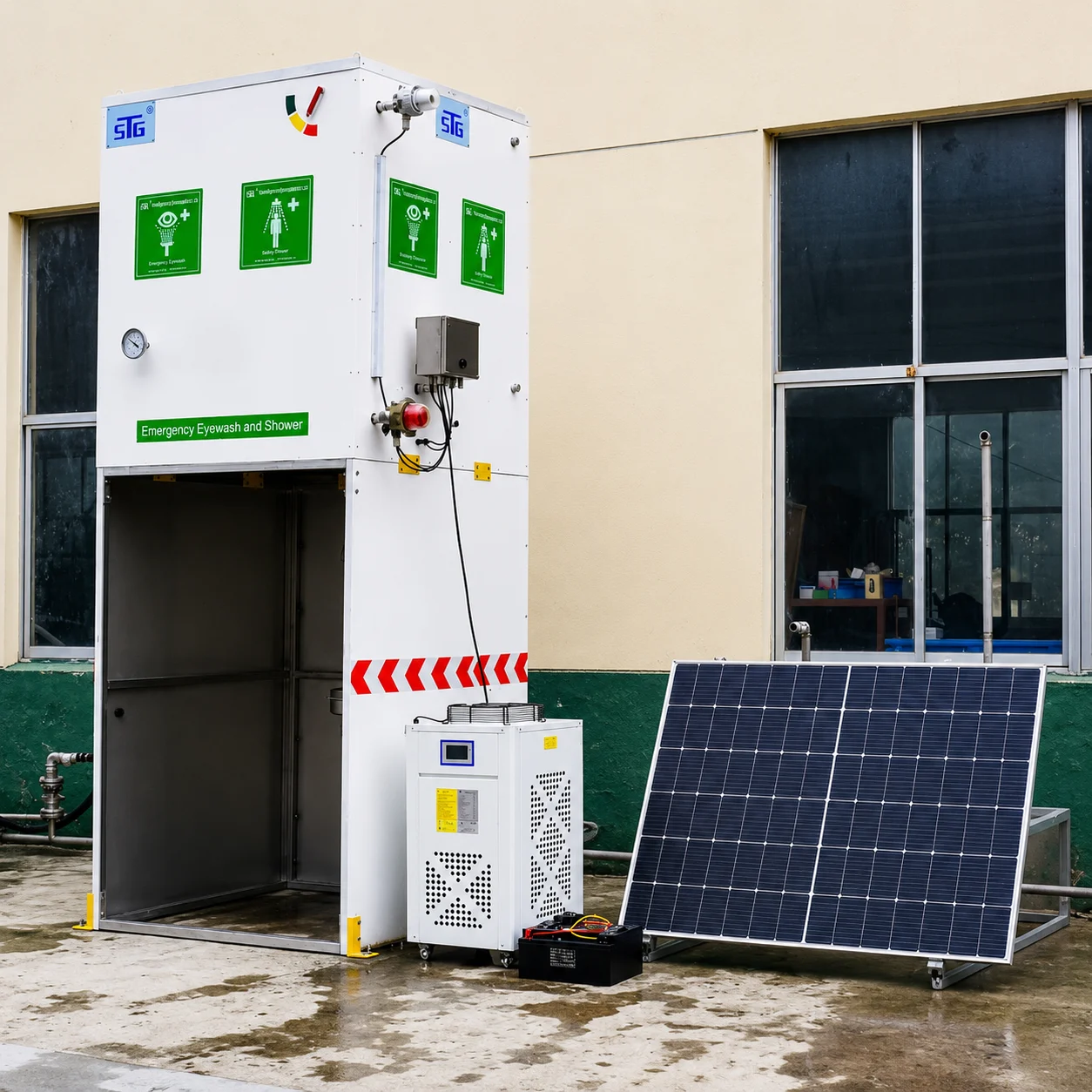
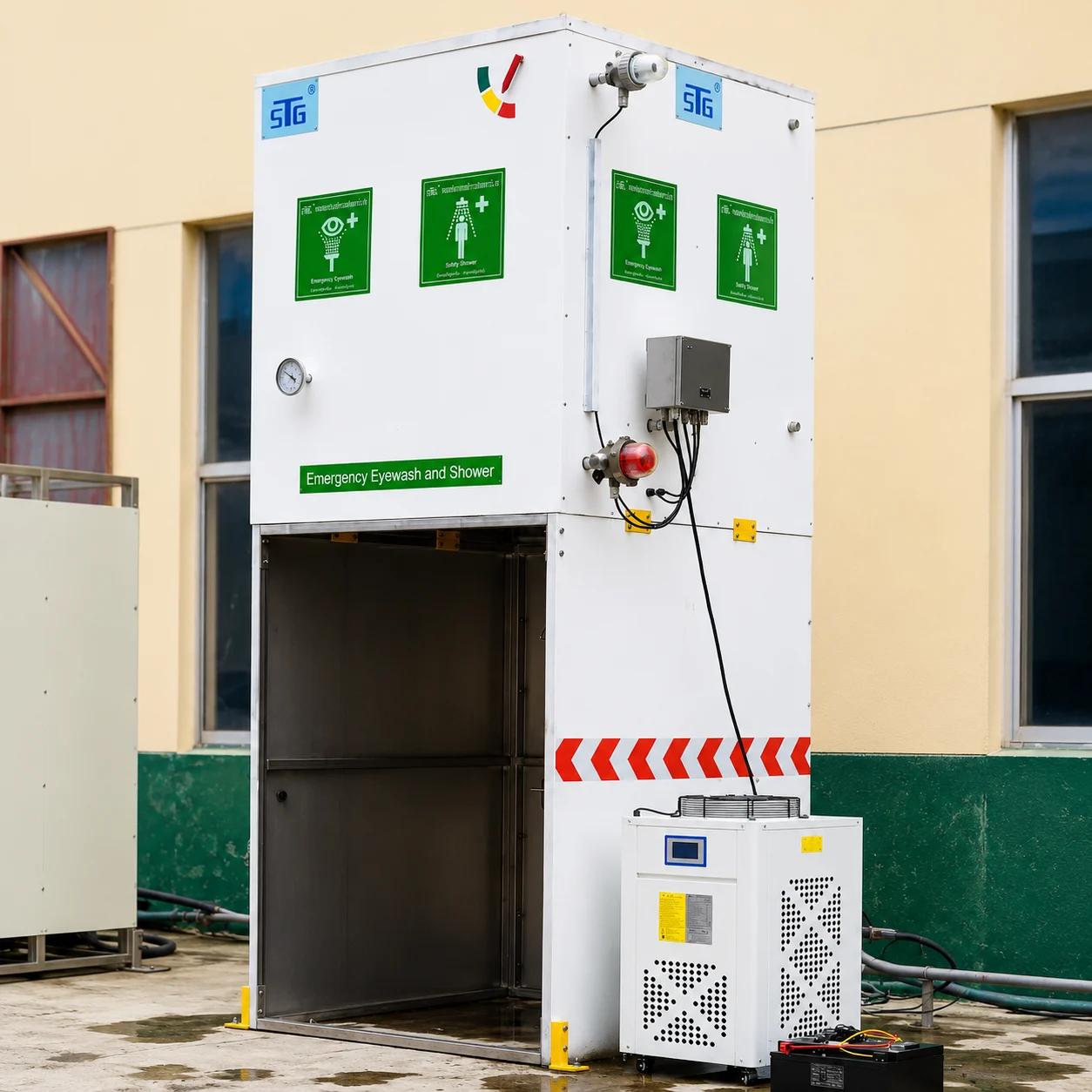
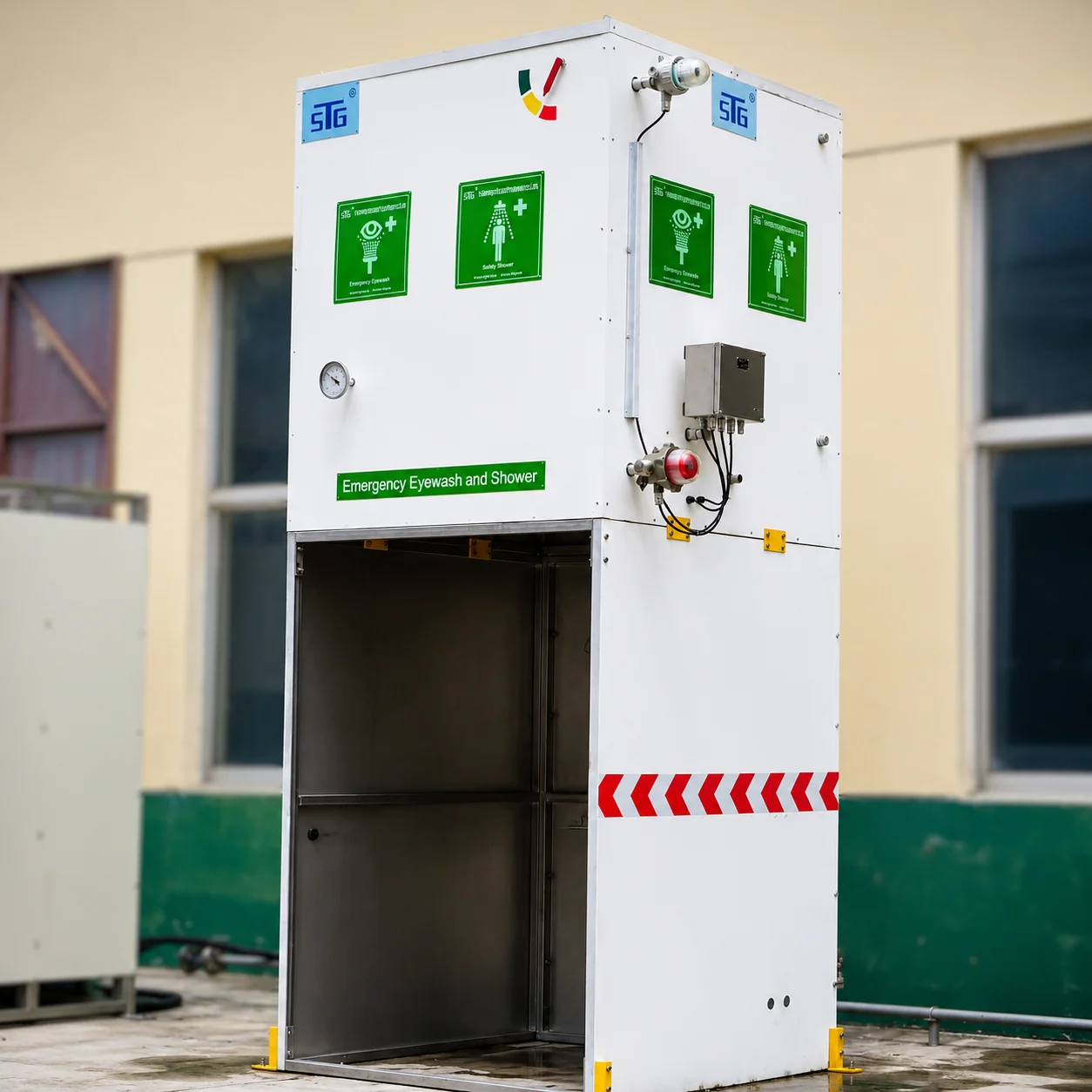
At SABZ International, we supply safety shower and emergency eyewash solutions in Dubai and across the UAE, with options for different site conditions, water-supply requirements and operating environments.


Emergency Safety Shower & Eyewash Solutions for High-Risk Workplaces
Reliable emergency shower systems designed to support rapid decontamination and workplace emergency preparedness across industrial, laboratory, chemical, oil & gas, manufacturing and other demanding environments.


Safety showers are emergency flushing systems used to help remove hazardous substances from a person’s body following accidental exposure. They are commonly installed in laboratories, chemical handling areas, manufacturing facilities, industrial plants, oil & gas facilities and other workplaces where hazardous materials may be present.
The ANSI/ISEA Z358.1 standard establishes minimum performance and use requirements for emergency showers, eyewashes, eye/face washes and combination units.


Flexible placement. Easy deployment. Suitable for changing workplace requirements.
Our team can help assess whether a mobile or permanently installed solution is more appropriate for your facility.


Accidental exposure to hazardous chemicals or substances can require immediate flushing and emergency response.
A properly selected and accessible safety shower can form an important part of a facility’s emergency preparedness strategy.
Support laboratory emergency preparedness with appropriately positioned emergency shower and eyewash equipment.

Provide accessible emergency flushing equipment in manufacturing and production environments where hazardous substances are handled.
Safety shower solutions for demanding industrial environments, including facilities involved in petroleum, chemical and process operations.

Emergency shower and eyewash systems for workplaces handling corrosive or hazardous substances.
Support emergency response planning within pharmaceutical manufacturing and laboratory environments.

Suitable emergency safety equipment for facilities where chemicals are used in water treatment and related processes.

Choosing an emergency shower should start with the actual hazards and site conditions, not simply the product name.
1. What hazards are present?
Identify the chemicals or hazardous materials workers may encounter.
2. Where will the shower be installed?
Consider indoor, outdoor, laboratory, production or remote environments.
3. Is a permanent water connection available?
If plumbing is unavailable or unsuitable, alternative configurations may need to be considered.
4. What environmental conditions exist?
Temperature, weather exposure and operating conditions can influence equipment selection.
5. What does your safety program require?
The equipment should be selected, installed, inspected and maintained according to applicable requirements and your facility’s risk assessment.
A safety shower is emergency equipment designed to provide rapid flushing of the body following exposure to hazardous substances.
Safety showers are commonly used in laboratories, chemical facilities, manufacturing plants, oil & gas facilities, pharmaceutical environments, industrial workplaces and other areas where hazardous materials may be present.
A safety shower is designed primarily for flushing the body, while an eyewash station is designed for flushing the eyes and face. Combination units can provide both functions.
It depends on the hazards present and your facility’s risk assessment. Where both eye and body exposure are possible, a combination emergency shower and eyewash unit may be appropriate.
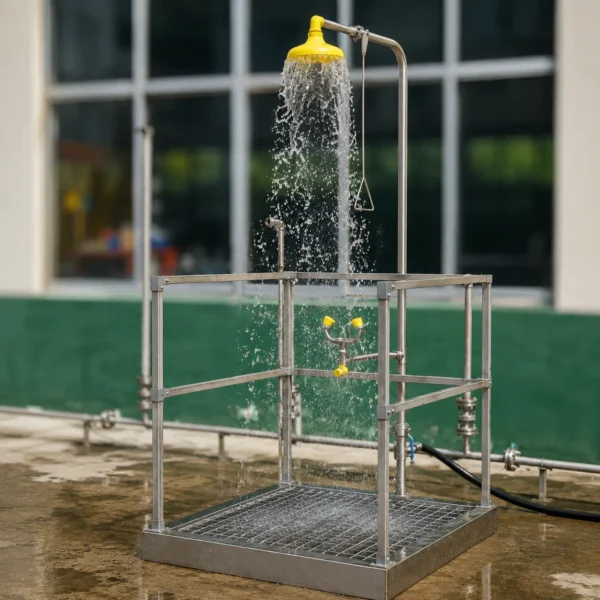
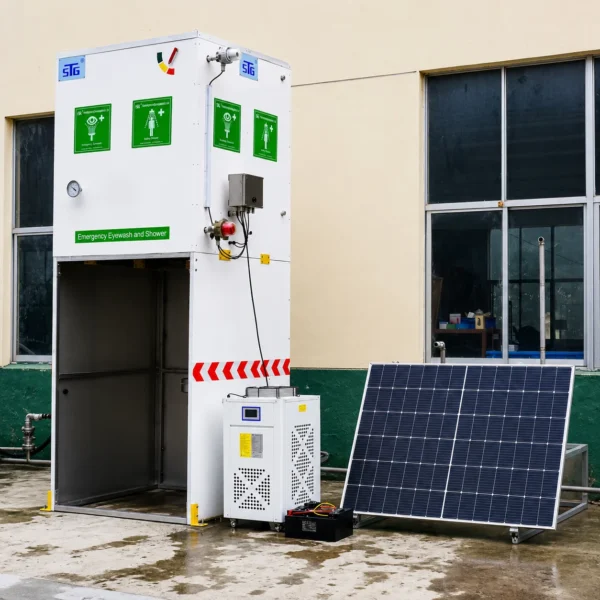
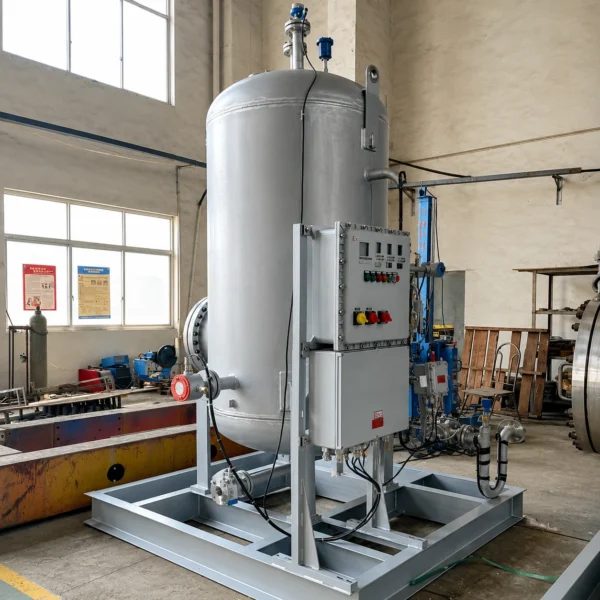
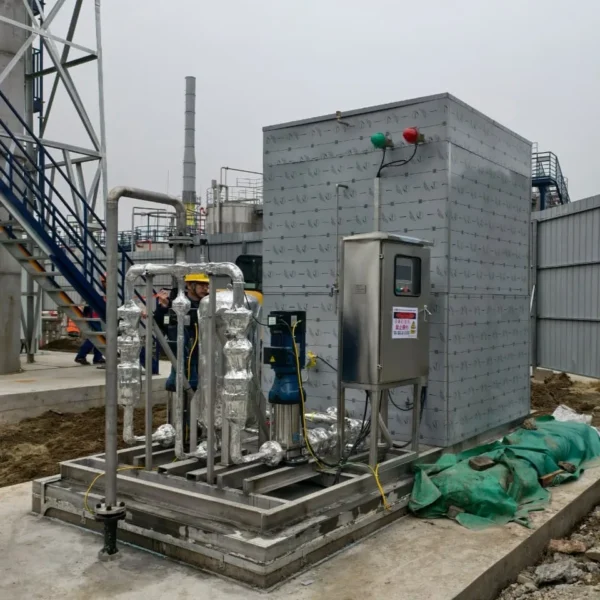
SABZ International provides several configurations, including water supply systems, pedestal safety showers, mobile safety showers and insulated safety showers, subject to project requirements.
Yes. SABZ International is a Dubai-based supplier serving customers across Dubai and the UAE.
ANSI/ISEA Z358.1 is a recognized standard covering minimum performance and use requirements for emergency showers, eyewashes, eye/face washes and combination units. Always verify the applicable requirements for your specific project and jurisdiction.
Consider the hazards, location, water availability, environmental conditions, drainage, installation requirements and applicable safety requirements. A qualified safety professional can help determine the appropriate configuration.