
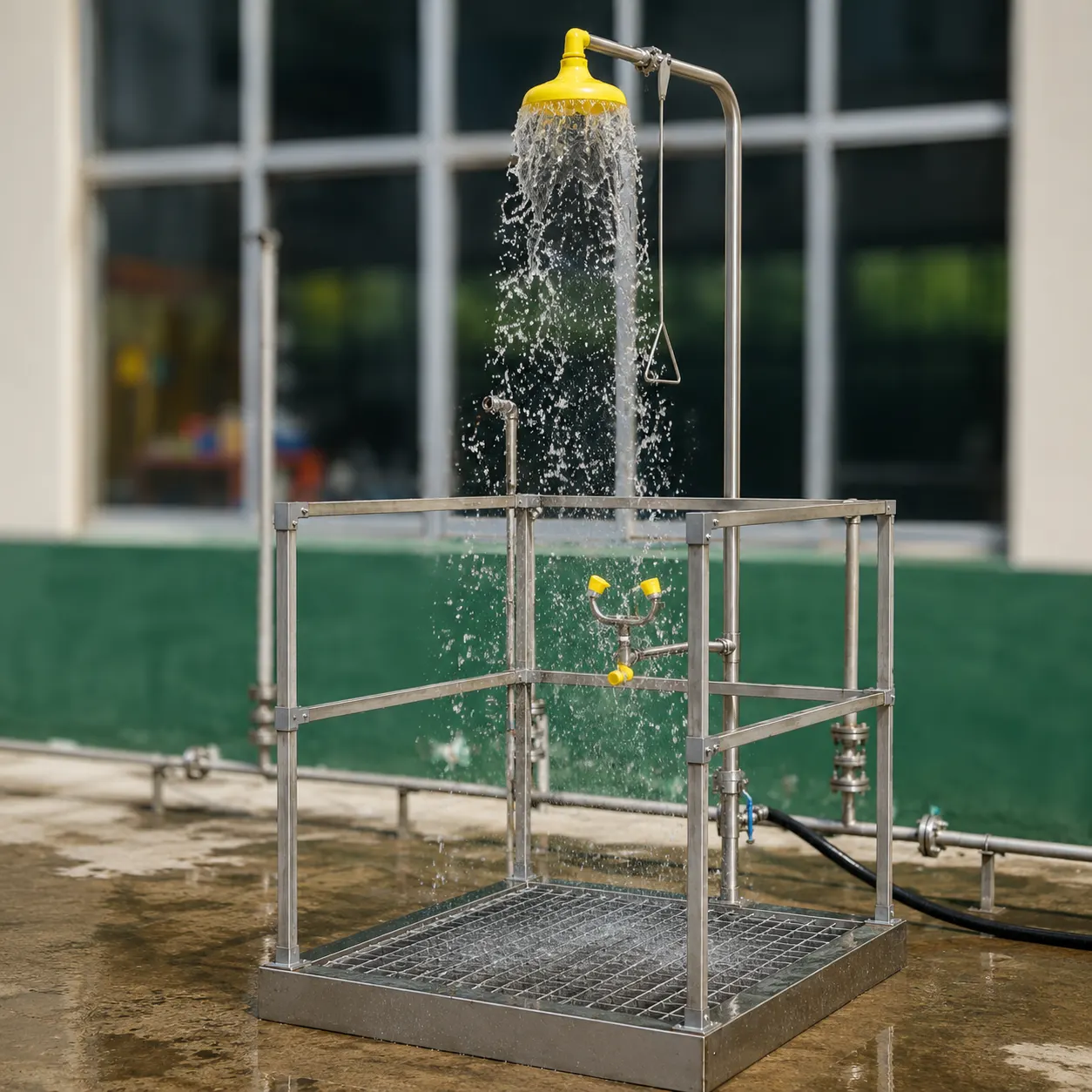
Emergency Safety Shower: Complete Guide to Industrial Eyewash and Safety Shower Systems
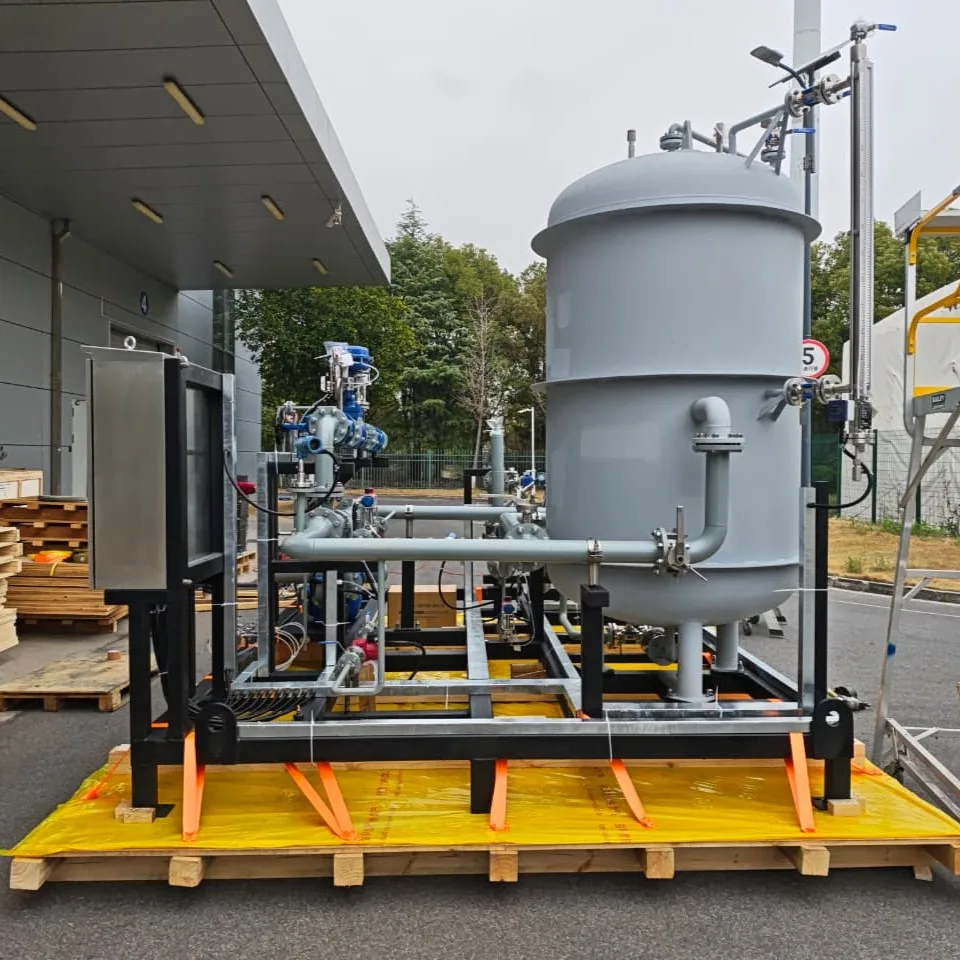
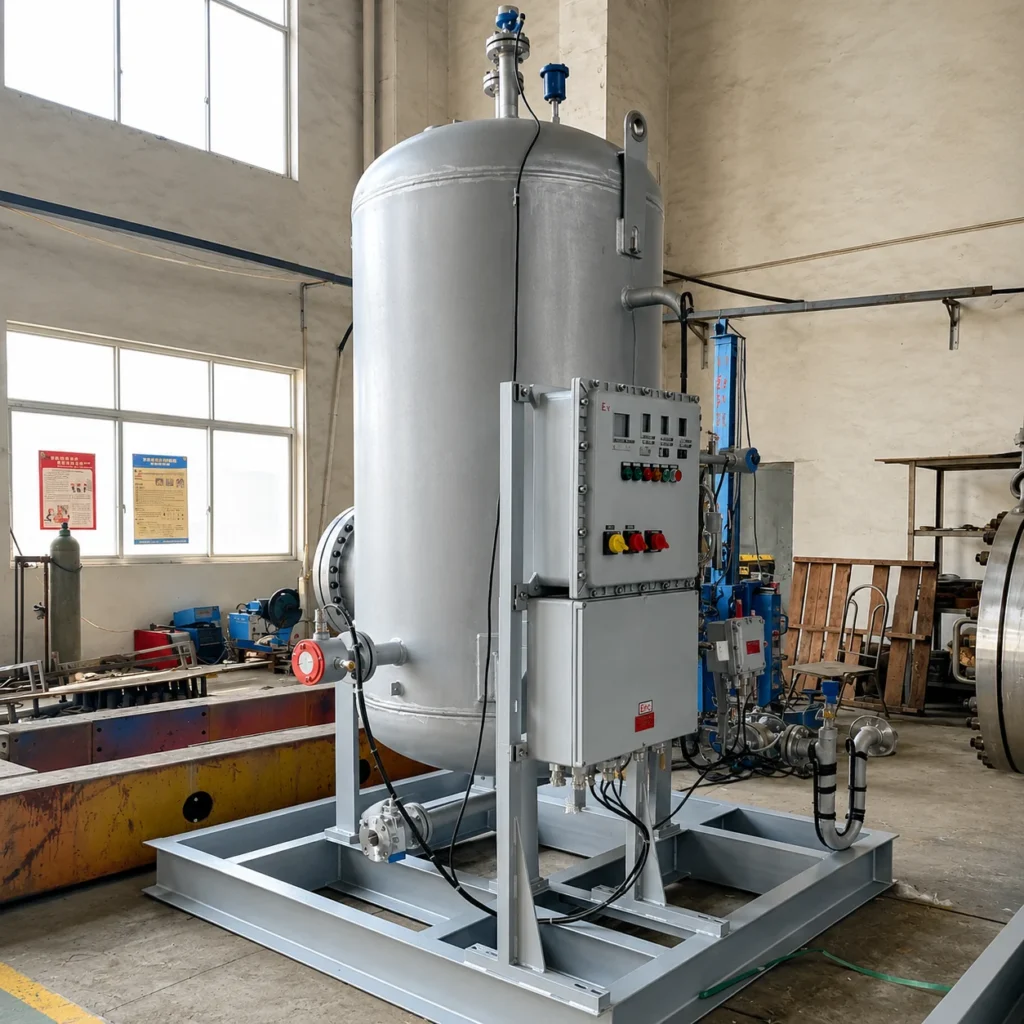
Complete Guide to Industrial Eyewash and Safety Shower Systems
What Is an Emergency Safety Shower?
An emergency safety shower is essential safety equipment designed to provide immediate water flushing when a worker is exposed to hazardous chemicals, corrosive substances, dust, or other dangerous materials. In industrial environments, rapid access to an emergency shower and eyewash station can help workers begin the decontamination process immediately after an accidental exposure.
A complete emergency safety shower system may include an overhead drench shower, emergency eyewash station, face wash unit, self-contained water storage tank, temperature control system, and optional solar-powered equipment.
These systems are commonly installed in locations where workers handle hazardous materials or work in environments where chemical splashes and contamination are possible.
Why Are Emergency Safety Showers Important?
Accidents involving chemicals or hazardous substances can happen unexpectedly. When hazardous material comes into contact with the skin, eyes, or face, immediate flushing is an important part of the emergency response process.
An industrial emergency shower provides a dedicated source of water for emergency use. An eyewash station is specifically designed to help flush contaminants from the eyes and face.
Installing suitable emergency safety equipment can help improve workplace preparedness in industries such as:
- Oil and gas
- Petrochemical plants
- Chemical processing
- Refineries
- Manufacturing facilities
- Mining operations
- Power plants
- Laboratories
- Pharmaceutical facilities
- Ports and marine facilities
- Construction and infrastructure projects
- Remote industrial sites
The correct safety shower configuration depends on the specific workplace hazards, environmental conditions, available utilities, and project requirements.
Types of Emergency Safety Shower Systems
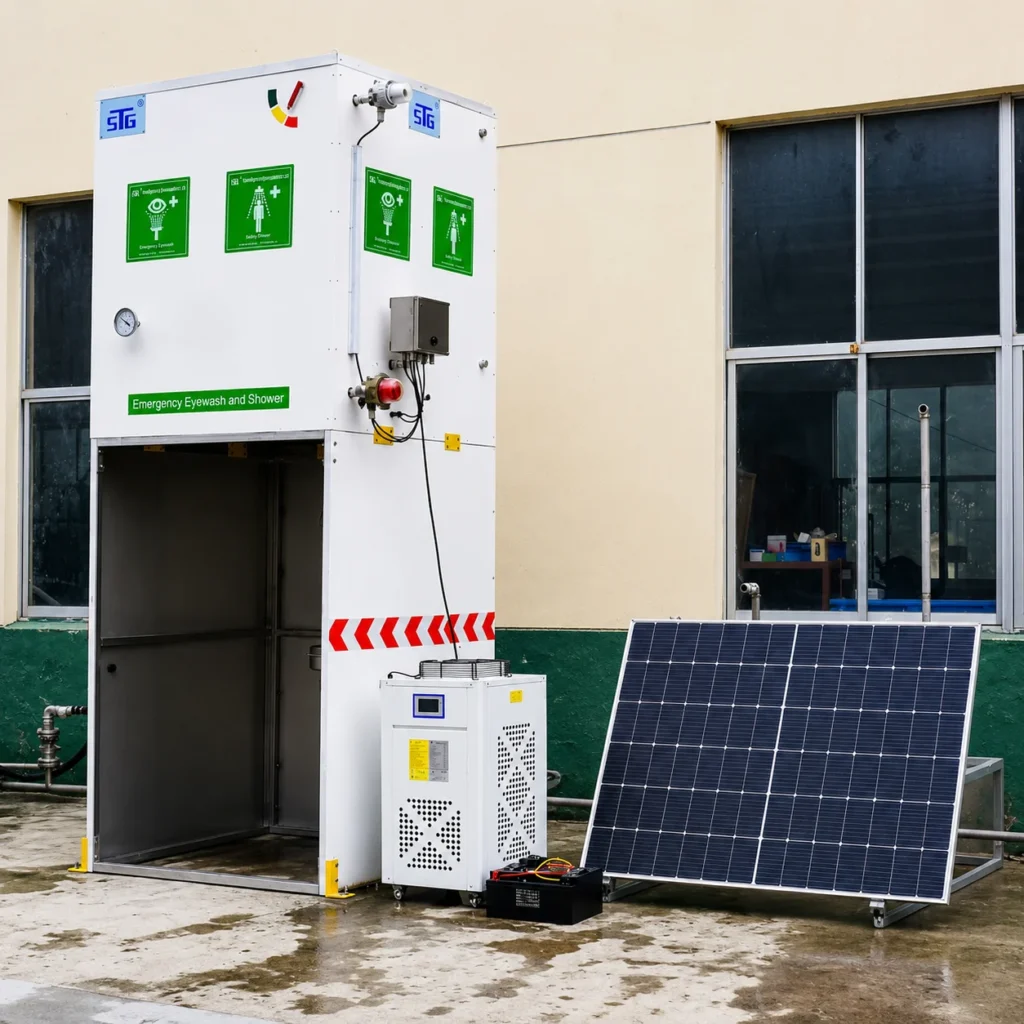
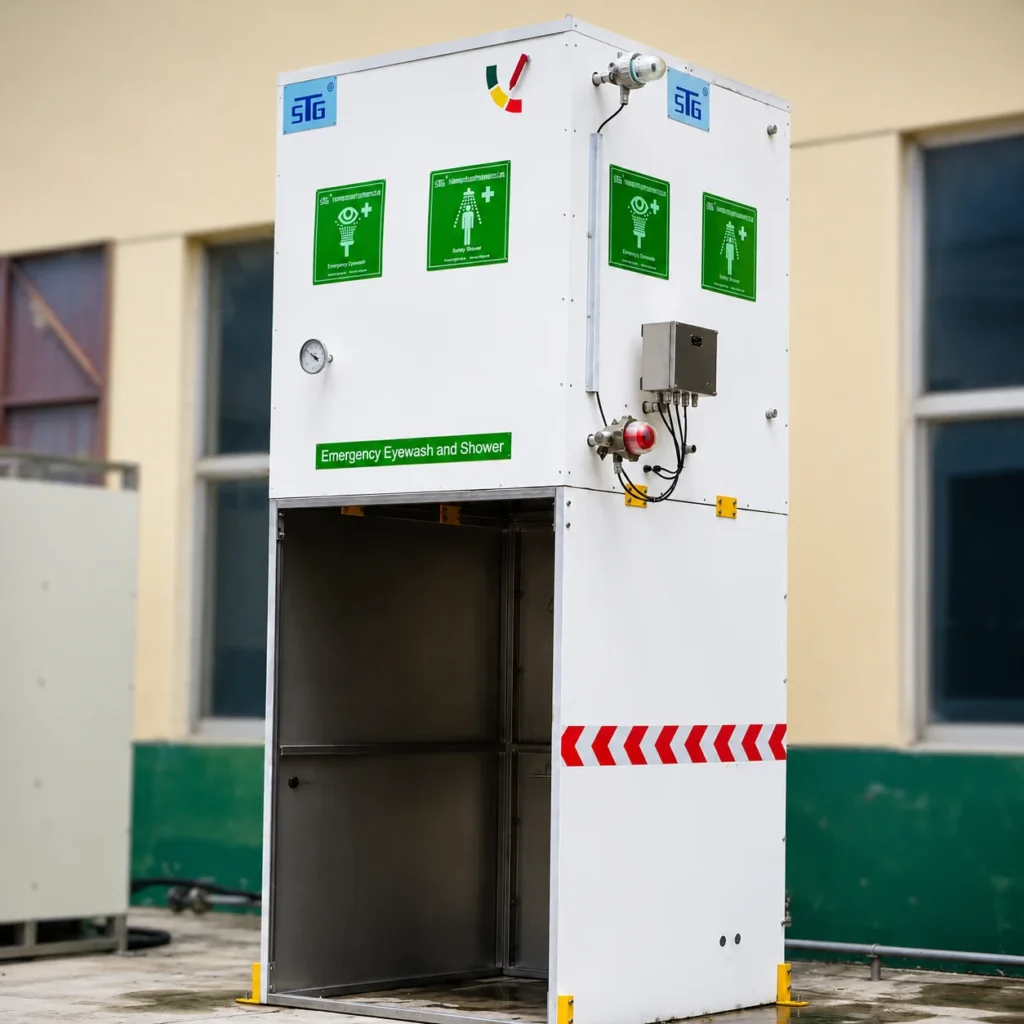
1. Plumbed Emergency Safety Shower
A plumbed emergency safety shower is connected directly to a permanent water supply. This type of system is commonly used in industrial facilities where reliable water infrastructure is available.
Depending on the installation, the system may include:
- Emergency drench shower
- Eyewash station
- Eye and face wash
- Temperature control equipment
- Drainage system
- Alarm or monitoring equipment
Plumbed systems can be a practical option for factories, laboratories, chemical plants, and permanent industrial facilities.
2. Self-Contained Emergency Safety Shower
A self-contained emergency safety shower includes an integrated water storage solution and can operate without relying entirely on a permanent water connection.
This type of system is particularly useful for:
- Remote sites
- Temporary projects
- Outdoor industrial areas
- Construction locations
- Mining operations
- Oil and gas facilities
- Sites with limited infrastructure
A self-contained unit can incorporate a GRP or FRP water tank to store water for emergency use.
3. GRP Emergency Safety Shower
A GRP emergency safety shower uses Glass Reinforced Plastic construction for the tank, enclosure, or structural components.
GRP is widely selected for industrial applications because of characteristics such as durability and corrosion resistance. A GRP safety shower system can be designed for demanding outdoor and industrial environments.
Depending on the project requirements, the unit can be customised with different tank capacities, shower configurations, eyewash systems, and additional equipment.
4. Solar-Powered Emergency Safety Shower
A solar-powered emergency safety shower is designed for locations where conventional electrical power may be unavailable or limited.
The solar system may support selected equipment through components such as:
- Solar panels
- Battery storage
- Charge controllers
- Electrical control systems
Solar-powered configurations can be particularly suitable for remote and off-grid industrial locations.
5. Emergency Safety Shower with Water Chiller
In regions with high ambient temperatures, stored water may become excessively warm. An emergency safety shower with a water chiller can be designed to help manage the water temperature within the system.
Depending on the project design, the system may include:
- Water chiller unit
- Temperature monitoring
- Control equipment
- Insulated tank
- Electrical power system
- Solar-powered support options
This configuration can be considered for hot climate installations and outdoor industrial environments.
Key Components of an Industrial Safety Shower System
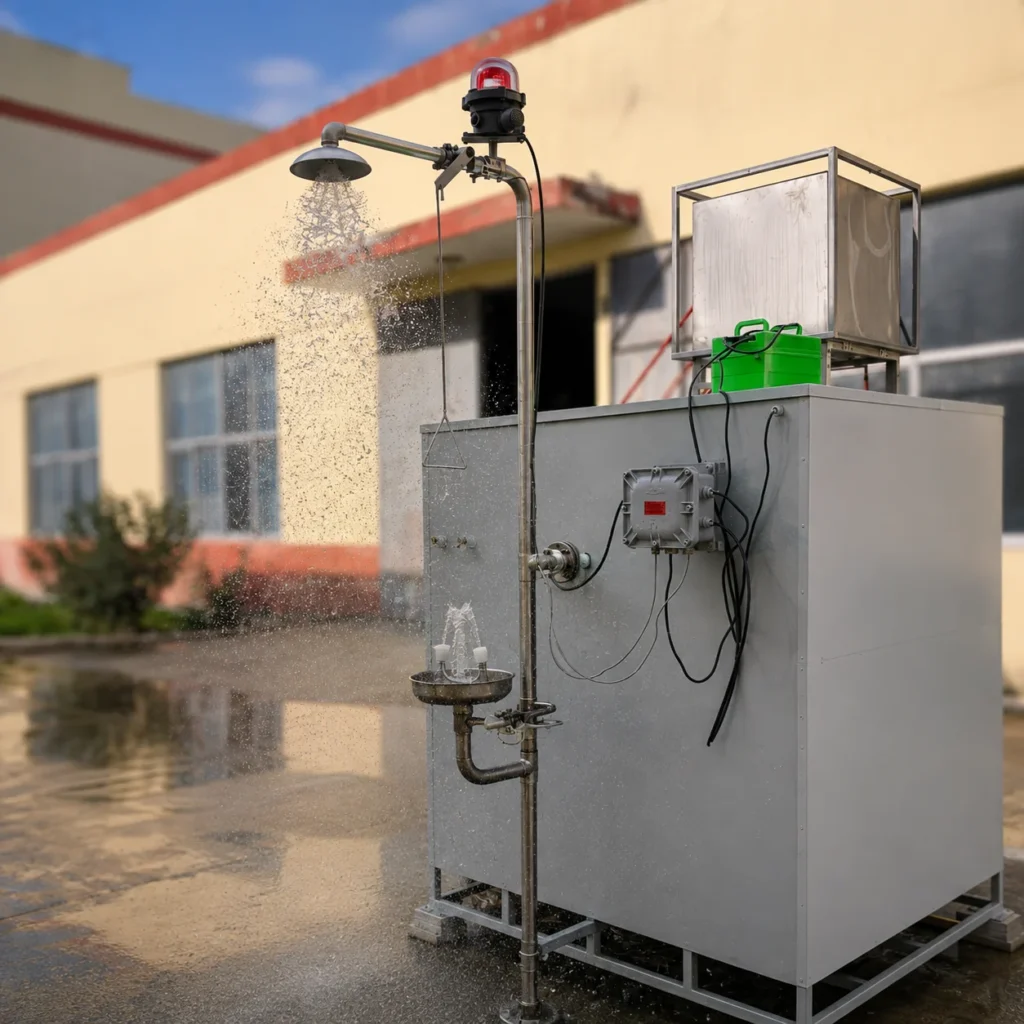
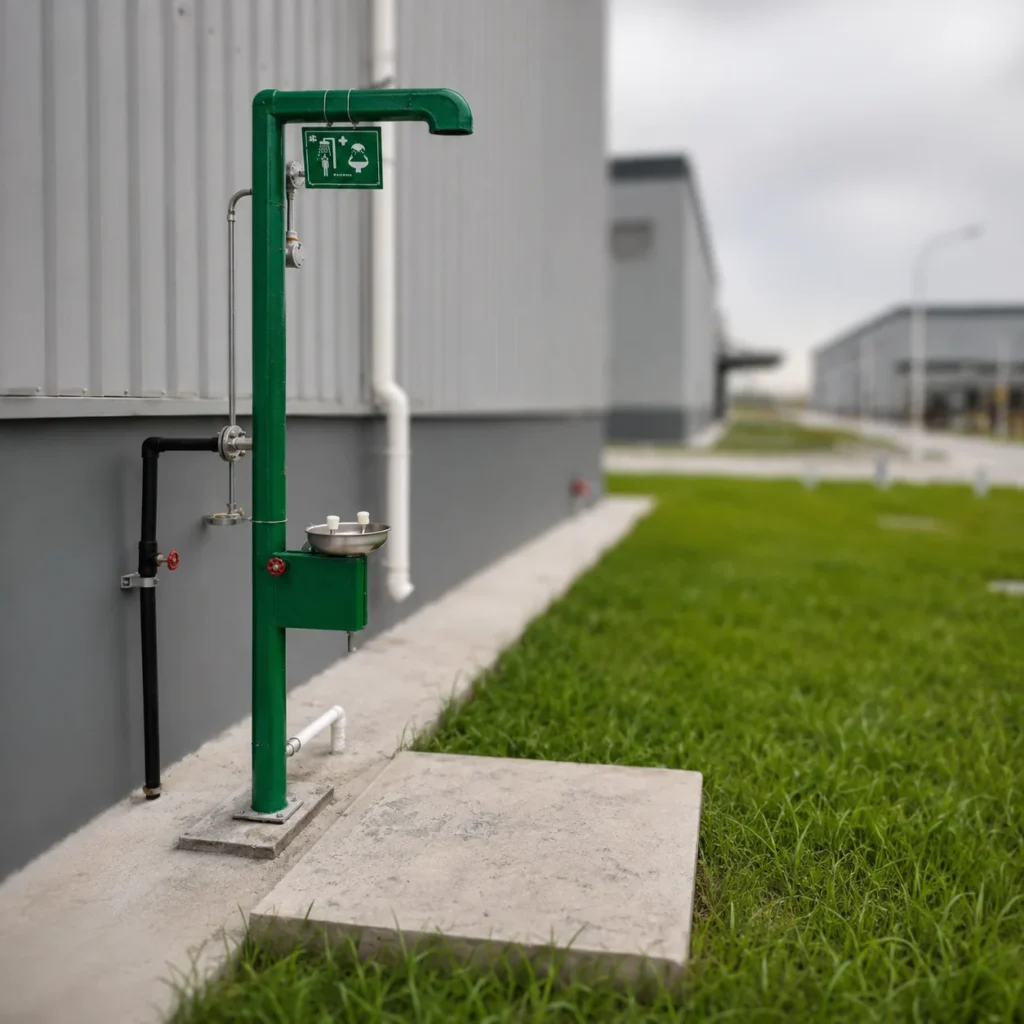
A customised emergency shower system can include several important components.
Emergency Drench Shower
The emergency drench shower provides a high-volume water flow for flushing hazardous materials from the body.
Emergency Eyewash Station
An eyewash station is designed to provide immediate flushing for the eyes following accidental exposure to hazardous substances.
Eye and Face Wash
Some systems include a combined eye and face wash arrangement for additional coverage.
GRP Water Storage Tank
A GRP tank can provide water storage for self-contained and remote emergency safety shower installations.
Water Chiller or Temperature Control System
A chiller may be incorporated where water temperature management is required due to local environmental conditions.
Solar Power System
Solar panels and battery storage can support suitable equipment in off-grid or remote locations.
Control and Monitoring Equipment
Depending on the system design, control panels, alarms, sensors, or monitoring devices may be included.
How to Choose the Right Emergency Safety Shower
Choosing the correct industrial emergency shower and eyewash system requires careful consideration of the application.
Consider the Workplace Hazards
The first step is identifying the substances and hazards present at the site. Different environments may require different emergency flushing arrangements.
Consider potential exposure to:
- Corrosive chemicals
- Acids
- Alkalis
- Industrial liquids
- Hazardous dust
- Process chemicals
- Other site-specific contaminants
Consider the Installation Location
Is the system being installed indoors, outdoors, or at a remote location?
For remote locations, a self-contained safety shower with a GRP water tank may be more suitable than a conventional plumbed system.
Consider the Climate
Environmental conditions can affect system design.
For hot locations, a water chiller or temperature-control solution may be considered. For outdoor installations, the enclosure and materials should be selected according to the expected operating environment.
Consider Power Availability
If grid electricity is unavailable, a solar-powered emergency safety shower may provide a practical solution for selected system requirements.
Consider Water Storage Capacity
The required tank capacity depends on the intended system configuration, emergency requirements, and project specifications.
A manufacturer can customise the water storage tank based on the specific site and application.
Benefits of a Self-Contained GRP Safety Shower
A self-contained safety shower offers several advantages for industrial projects.
Suitable for Remote Locations
The integrated water storage system makes the unit suitable for sites with limited permanent water infrastructure.
Customizable Design
The system can be designed according to required tank capacity, available space, environmental conditions, and operational requirements.
Solar Power Option
Solar panels and battery systems can support suitable electrical components in remote locations.
Water Temperature Management
Optional chilling or temperature-control equipment can be incorporated where required.
Industrial Construction
GRP and industrial-grade components can be selected for demanding operating environments.
Integrated Safety Equipment
The system can combine an emergency shower, eyewash station, water storage, and optional supporting equipment into one solution.
Applications for Emergency Safety Showers
Emergency safety shower systems can be installed across a wide range of industries.
Oil and Gas
Workers may be exposed to chemicals, fuels, process fluids, and other hazardous materials.
Chemical and Petrochemical Plants
Emergency shower and eyewash equipment can provide immediate access to flushing facilities near hazardous work areas.
Mining
Remote mining locations may benefit from self-contained or solar-powered emergency safety shower systems.
Manufacturing
Industrial manufacturing processes involving chemicals, cleaning agents, or hazardous substances may require suitable emergency equipment.
Power and Energy Projects
Safety showers can be used at conventional, renewable, and remote energy facilities.
Laboratories
Laboratory environments may require emergency eyewash and shower equipment near areas where hazardous substances are handled.
Custom Emergency Safety Shower Solutions
Every industrial site is different. For this reason, a custom emergency safety shower can be designed based on specific project requirements.
Customisation options may include:
- GRP tank capacity
- Emergency shower configuration
- Eyewash station
- Eye and face wash
- Solar power system
- Battery storage
- Water chiller
- Temperature monitoring
- Control panel
- Alarm system
- Insulation
- Outdoor enclosure
- Site-specific dimensions
A customised solution allows the emergency safety shower system to be adapted to the available installation space and environmental conditions.
Frequently Asked Questions About Emergency Safety Showers
What is an emergency safety shower used for?
An emergency safety shower is used to provide immediate water flushing following accidental exposure to hazardous substances on the body, skin, eyes, or face.
What is the difference between an emergency shower and an eyewash station?
An emergency shower is designed for flushing the body, while an eyewash station is designed specifically for flushing the eyes. Some systems combine both functions into one emergency safety station.
Can an emergency safety shower work without a permanent water supply?
Yes. A self-contained emergency safety shower can be designed with an integrated water storage tank for locations where a permanent water connection is unavailable or impractical.
What is a GRP safety shower?
A GRP safety shower incorporates Glass Reinforced Plastic components, such as a water storage tank or enclosure, for industrial and outdoor applications.
Can an emergency safety shower be solar powered?
A solar power system can be incorporated to support suitable electrical components, making it useful for selected remote or off-grid applications.
Why is a water chiller used with an emergency safety shower?
A water chiller can be incorporated where water temperature management is required, particularly in hot outdoor environments.